
Axis D2124-VE Radar: 360° Perimeter Detection
2026-10-05
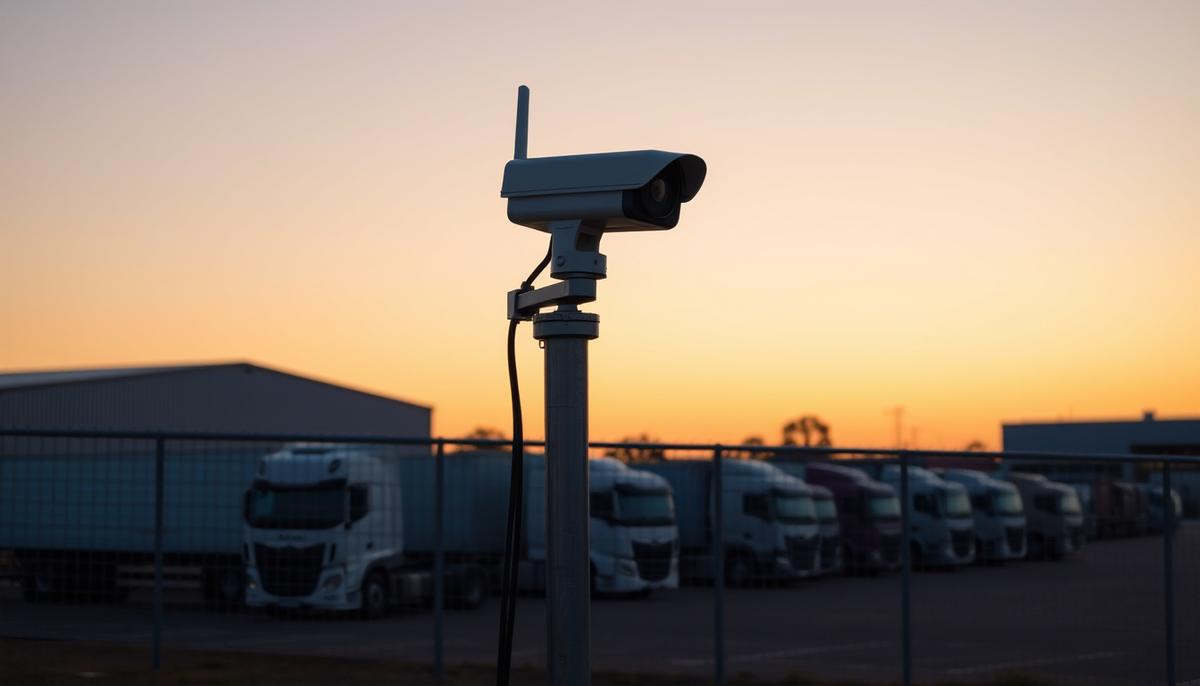
Axis Communications chose the Security Exhibition and Conference at ICC Sydney (2–4 September 2026) to preview a new radar built for one of the hardest jobs in security: watching large open areas without drowning in false alarms. The AXIS D2124-VE Radar is due to reach Axis distribution channels in the fourth quarter of 2026, so it's worth knowing about if you're planning a perimeter upgrade.
What's new
The D2124-VE is a single unit with a full 360° field of view. It uses AI to classify what it detects and works day and night in any weather or lighting. Axis says it can detect objects up to 200 metres away and recognise people across a zone of 40,000 square metres.
Two design details stand out:
- Box-shaped zones. Detection and recognition areas are rectangular rather than wedge-shaped, so they're easier to match to real fence lines, yards and car parks when you design the system.
- Built for exposed mounting. It's designed to go on solid poles, rooftops or mobile surveillance trailers. Built-in radar image stabilisation helps keep detections accurate when wind shakes the mount.
It also has four built-in LED strips. You can use them to warn off or alert an intruder, or switch them off when you'd rather monitor quietly.
How it works, in plain terms
Radar doesn't need light to see, so darkness, rain and glare don't stop it noticing movement the way they can with a camera alone. On its own, though, radar can't show you what it has detected. That's why Axis pairs the D2124-VE with its AXIS Q6225-LE PTZ camera, using software called AXIS Radar Autotracking for PTZ.
When the radar picks something up, the PTZ camera swivels and zooms to follow it. Server-side AI then checks the video to confirm what the object is. An optional "double-knock" setting means an alarm is only sent when the radar and the video both confirm the detection. For a monitored site, that can mean fewer wasted call-outs caused by animals, blowing vegetation or shadows.
Power and cabling
Axis says average power draw is 14.8 W across the whole recognition zone. That's low for the area covered and matters for solar-powered trailers and remote sites. The radar runs on Power over Ethernet (PoE). With an Axis high-PoE 120 W midspan, it can also pass power through to the PTZ camera, so the camera doesn't need its own cable run. On a large site, planning the data cabling and power for each pole is as important as choosing the hardware.
What it means for your business
This type of system suits sites where the risk is spread across open ground, such as:
- transport and logistics yards
- construction sites
- vehicle and equipment storage
- industrial lots
- rural and regional properties
On sites like these, a few well-placed radar-and-PTZ pairs may replace a long line of fixed cameras. They can also cut the time staff or a monitoring centre spend checking false alarms.
It isn't the answer for every site. Smaller premises are often better served by standard cameras with built-in analytics. A good radar installation also depends on:
- where the poles go
- network and power design
- making sure alerts flow properly into your video management or monitoring platform
Australian pricing and local release dates haven't been confirmed yet. If you're considering radar for an upcoming project, check current availability with us before you lock in a design.
Talk to Unotel Security
Want to know whether radar-based perimeter protection makes sense for your site anywhere in Sydney? Our CCTV installation in Sydney team designs radar, PTZ and fixed-camera systems together. Call Unotel Security on 02 4613 5840 for practical advice or a quote.